Archives
- 2026-07
- 2026-06
- 2026-05
- 2026-04
- 2026-03
- 2026-02
- 2026-01
- 2025-12
- 2025-11
- 2025-10
- 2025-09
- 2025-04
- 2025-03
- 2025-02
- 2025-01
- 2024-12
- 2024-11
- 2024-10
- 2024-09
- 2024-08
- 2024-07
- 2024-06
- 2024-05
- 2024-04
- 2024-03
- 2024-02
- 2024-01
- 2023-12
- 2023-11
- 2023-10
- 2023-09
- 2023-08
- 2023-07
- 2023-06
- 2023-05
- 2023-04
- 2023-03
- 2023-02
- 2023-01
- 2022-12
- 2022-11
- 2022-10
- 2022-09
- 2022-08
- 2022-07
- 2022-06
- 2022-05
- 2022-04
- 2022-03
- 2022-02
- 2022-01
- 2021-12
- 2021-11
- 2021-10
- 2021-09
- 2021-08
- 2021-07
- 2021-06
- 2021-05
- 2021-04
- 2021-03
- 2021-02
- 2021-01
- 2020-12
- 2020-11
- 2020-10
- 2020-09
- 2020-08
- 2020-07
- 2020-06
- 2020-05
- 2020-04
- 2020-03
- 2020-02
- 2020-01
- 2019-12
- 2019-11
- 2019-10
- 2019-09
- 2019-08
- 2019-07
- 2019-06
- 2019-05
- 2019-04
- 2018-11
- 2018-10
- 2018-07
-
GSK is inhibited by serine phosphorylation at a residue its
2021-10-09

GSK-3 is inhibited by serine BS-181 receptor at a residue its N-terminus (Ser 9 in GSK-3β and Ser 21 in GSK-3α) [52], [53], [54]. This raised the possibility that the N-terminal tail may function as a pseudo-substrate by mimicking the pre-phosphorylated substrate. The interaction mode of the pseudo
-
br Clinical development of anti NASH drug
2021-10-09
Clinical development of anti-NASH drug therapies The current understanding of NASH pathogenesis has led to broad efforts to target several features of the disease, alone or in combination, even in the absence of liver-guided therapies. Therefore, drug development in NASH is a rapidly changing fie
-
The MeO CFO phen yl group was
2021-10-09
The 1-MeO-4-CFO-phen-2-yl group was then selected for the C-3 position when we investigated the aryl substituents at the C-6 position of indazole. As shown in , C-6 position seems to be more tolerant than the C-3 position, as all the aryl groups examined exhibited potent hGCGR activity. Interestingl
-
VX-745 Interruption of glucagon signaling pathway targeting
2021-10-09
Interruption of glucagon signaling pathway targeting glucagon receptor (GCGR) by gene knockout, antisense oligonucleotides or specific antagonists induces α-cell hyperplasia and alleviates hyperglycemia and other metabolic symptoms in diabetic animals and patients [[7], [8], [9]]. Here we used a ful
-
In a series of experiments the clotrimazole
2021-10-08
In a series of experiments, the clotrimazole concentration was varied and the NSVDC channel conductances were calculated from Eq. (1) to obtain the dose-response relation (Fig. 3). The data were fitted to the Michaelis–Menten-type activation curve (Eq. (3)) and gave an EC50 value of 14 μM and a dose
-
br Other strategies for ferroptosis In
2021-10-08
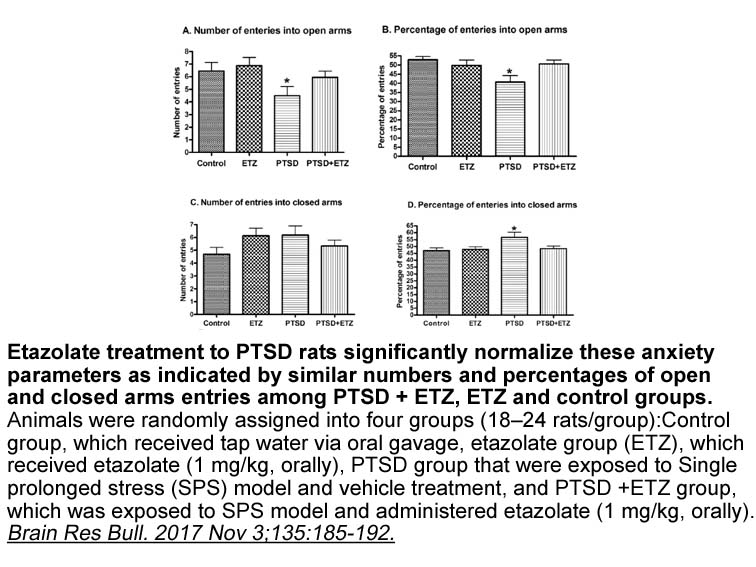
Other strategies for ferroptosis In addition to ROS-generating and GPX4 inactivating nanomaterials, small molecules and genetic manipulation targeting key factors in the ferroptosis pathway have also been tested for their anticancer effects [39,47,48]. Among a myriad of proteins involved in ferro
-
We also wonder what function s both FPPS and FPPS
2021-10-08
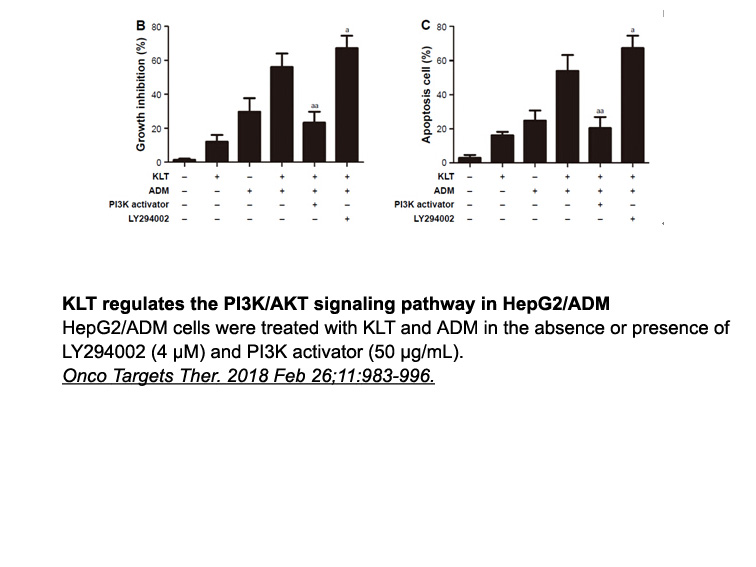
We also wonder what function(s) both FPPS1 and FPPS2 genes had in leaf. As some research indicated that the alpha-farnesene was also detected in ripe leaf of crabapple (Malus sp.) (Wu et al., 2012), one or both of them may be related to the synthesis of alpha-farnesene in leaf. To our knowledge, the
-
The data presented here support
2021-10-08
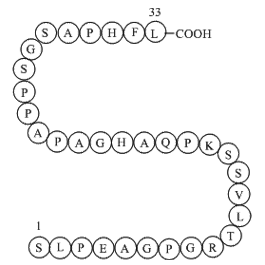
The data presented here support a dynamic and complex interplay among labile heme, BACH1 and HO-1. It appears also that metabolites of heme degradation may participate in the mechanistic regulation of the various factors examined. Our results point to the possibility that the HO-1 pathway restricts
-
br Financial support This study was supported by Grant
2021-10-08
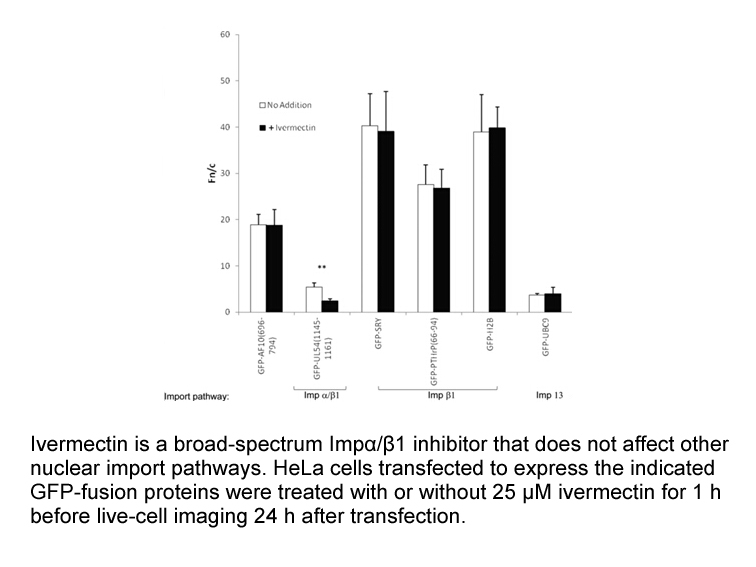
Financial support This study was supported by Grant PH-102-PP-11, PH-103-PP-11 from the National Health Research Institutes, Taiwan. Conflict of interest Please refer to the accompanying ICMJE disclosure forms for further details. Authors’ contributions Acknowledgements Introduction
-
The biological function of NPRA is demonstrated primarily th
2021-10-08
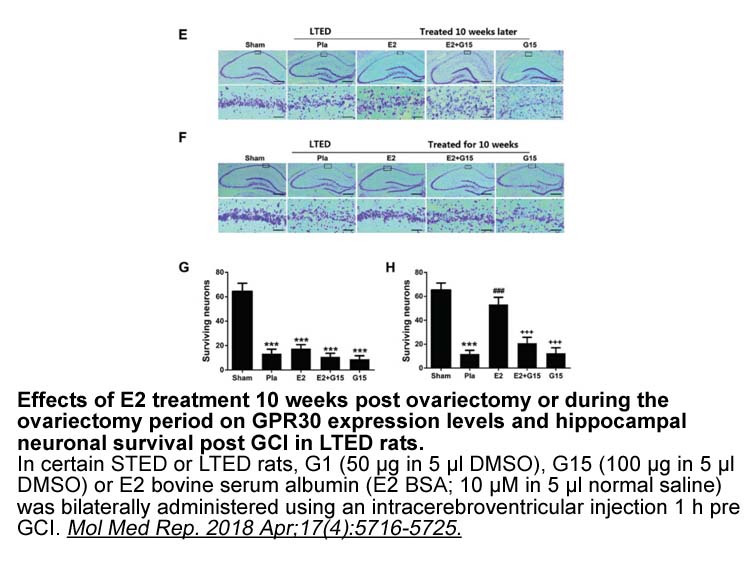
The biological function of NPRA is demonstrated primarily through the ANP/BNP-dependent GC catalytic activity of the receptor and the production of cGMP, which is regulated by several factors, including hormones, growth factors, physiological milieu, and the ligand itself [26,34,[36], [37], [38], [3
-
Finally LC ESI MS MS was applied to
2021-10-08
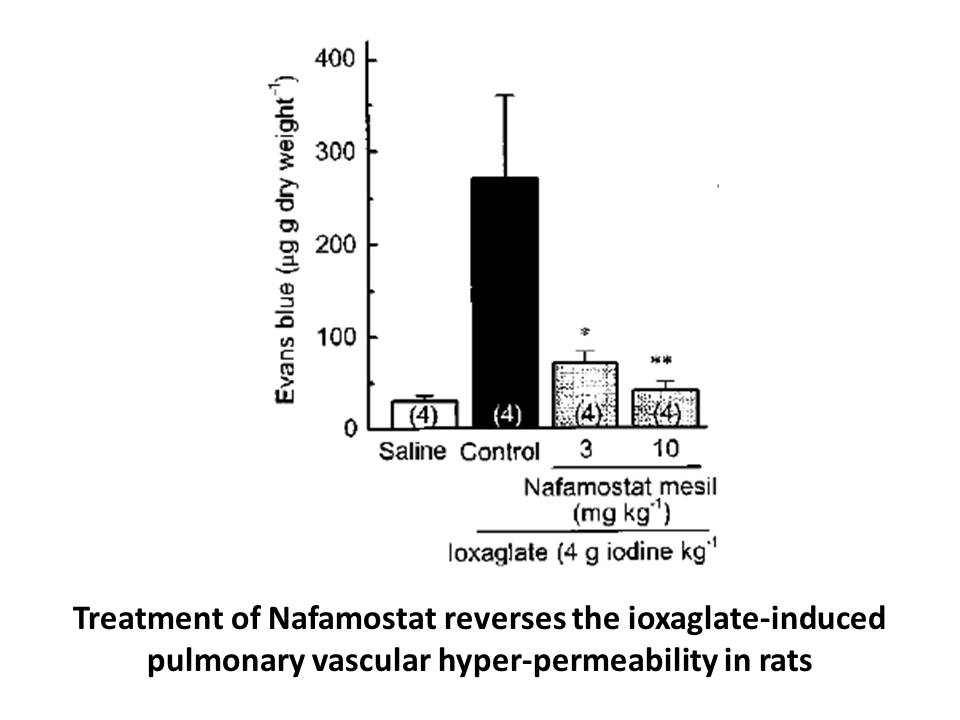
Finally, LC-ESI-MS/MS was applied to explore the effects of increased fT4 levels 4 and 8 weeks after induced thyrotoxicosis and have revealed an upregulation of proteins involved in blood coagulation, thus providing a clear association [126]. Conclusions Introduction Diabetes mellitus (DM) ha
-
SAR around amino derivative revealed a number
2021-10-08
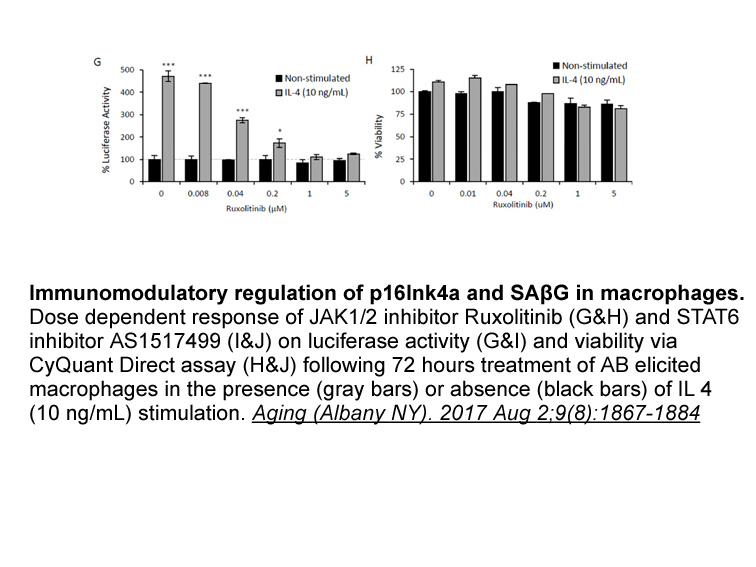
SAR around amino-derivative revealed a number of interesting trends related to the serum shift and in vitro activity (). A comparison of derivative , and its epimer , showed that the stereochemistry had little effect on the serum shift and the intrinsic affinity for the receptor. In contrast, re-po
-
ixabepilone Originally identified as a GPCR upregulated on
2021-10-08
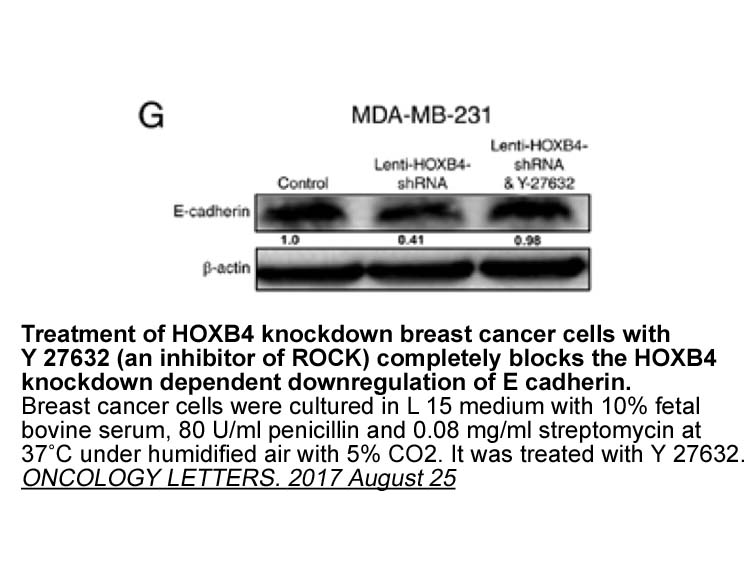
Originally identified as a GPCR upregulated on Burkitt lymphoma cells upon Epstein-Barr virus infection (Birkenbach et al., 1993), Ebi2 was later found to play critical roles in immunity by regulating the migration of activated ixabepilone to extrafollicular sites for early plasmablast responses (G
-
In conclusion atorvastatin but not pravastatin impaired gluc
2021-10-08
In conclusion, atorvastatin but not pravastatin impaired glucose utilization in C2C12 cells and glucose tolerance in HFD mice, which may be partly due to the inhibition of GLUT4 translocation in muscle cells. The decrease in the cholesterol level induced by atorvastatin may partly account for the in
-
GK also called hexokinase IV or D
2021-10-08
GK, also called hexokinase IV or D, is a glycolytic enzyme that converts Nilvadipine sale to glucose-6-phosphate. GK has unique characteristics compared with those of the ubiquitously expressed hexokinase isoforms I–III, and is predominantly expressed in the pancreas and liver. In pancreatic β-cells
16665 records 616/1111 page Previous Next First page 上5页 616617618619620 下5页 Last page