Archives
- 2026-07
- 2026-06
- 2026-05
- 2026-04
- 2026-03
- 2026-02
- 2026-01
- 2025-12
- 2025-11
- 2025-10
- 2025-09
- 2025-04
- 2025-03
- 2025-02
- 2025-01
- 2024-12
- 2024-11
- 2024-10
- 2024-09
- 2024-08
- 2024-07
- 2024-06
- 2024-05
- 2024-04
- 2024-03
- 2024-02
- 2024-01
- 2023-12
- 2023-11
- 2023-10
- 2023-09
- 2023-08
- 2023-07
- 2023-06
- 2023-05
- 2023-04
- 2023-03
- 2023-02
- 2023-01
- 2022-12
- 2022-11
- 2022-10
- 2022-09
- 2022-08
- 2022-07
- 2022-06
- 2022-05
- 2022-04
- 2022-03
- 2022-02
- 2022-01
- 2021-12
- 2021-11
- 2021-10
- 2021-09
- 2021-08
- 2021-07
- 2021-06
- 2021-05
- 2021-04
- 2021-03
- 2021-02
- 2021-01
- 2020-12
- 2020-11
- 2020-10
- 2020-09
- 2020-08
- 2020-07
- 2020-06
- 2020-05
- 2020-04
- 2020-03
- 2020-02
- 2020-01
- 2019-12
- 2019-11
- 2019-10
- 2019-09
- 2019-08
- 2019-07
- 2019-06
- 2019-05
- 2019-04
- 2018-11
- 2018-10
- 2018-07
-
As a functional ETC is required for DHODH
2020-02-20

As a functional ETC is required for DHODH catalysis (Loffler, Jockel, Schuster, & Becker, 1997; Rawls, Knecht, Diekert, Lill, & Loffler, 2000; Zameitat, Freymark, Dietz, Loffler, & Bolker, 2007), DHODH depends on the mitochondrial ETC to generate adequate concentrations of ubiquinone (Fig. 2). Cells
-
Compound was advanced to a chronic
2020-02-20
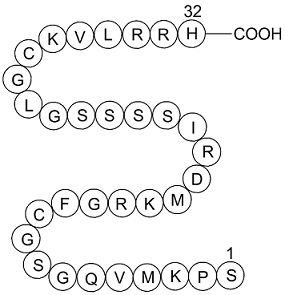
Compound 52 was advanced to a chronic efficacy study in db/db mice maintained on a high fat diet. Animals were dosed with 0.5% methylcellulose vehicle, NHS-12-Biotin 52 (1, 3 or 15mg/kg, po, Q.D.) or 1 (0.3mg/kg) for 14days. Over the course of the study body weight and food intake were measured dai
-
Biochemically the primary function of
2020-02-20
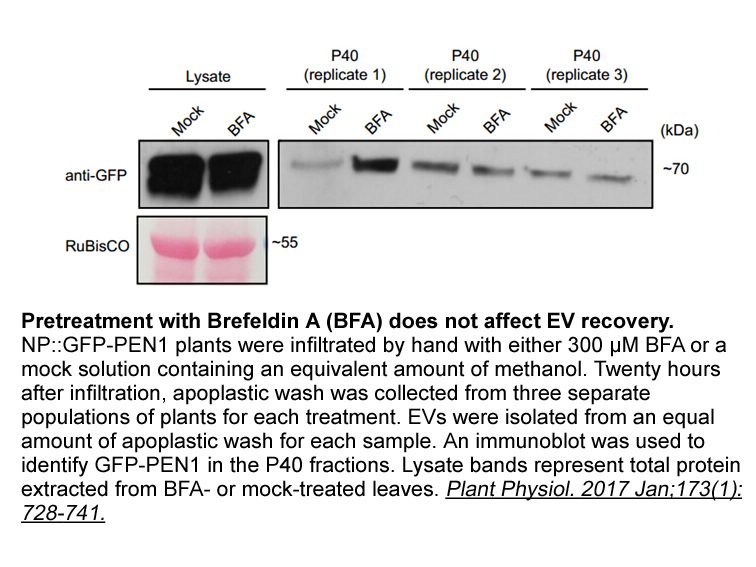
Biochemically, the primary function of PPIP5K2 is 1-kinase-mediated phosphorylation of 5-IP7 to form 1,5-IP8 (Shears, 2018). To a lesser extent, PPIP5K2 also phosphorylates IP6 to produce 1-IP7. Furthermore, PPIP5K2 has been shown to catalyze a reverse reaction, that is, dephosphorylation of 1,5-IP8
-
br Introduction br Multiple levels of
2020-02-19
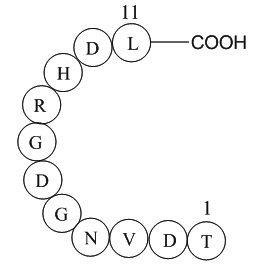
Introduction Multiple levels of CK2/AKT cross-talk Isoform-specific signaling in CK2/AKT cross-talk Particularly relevant to the scope of this review, it has been shown that depletion of the CK2 catalytic α′ subunit is more effective than that of the α subunit at reducing AKT Ser129 phospho
-
In summary our present work establishes the ability of the
2020-02-19
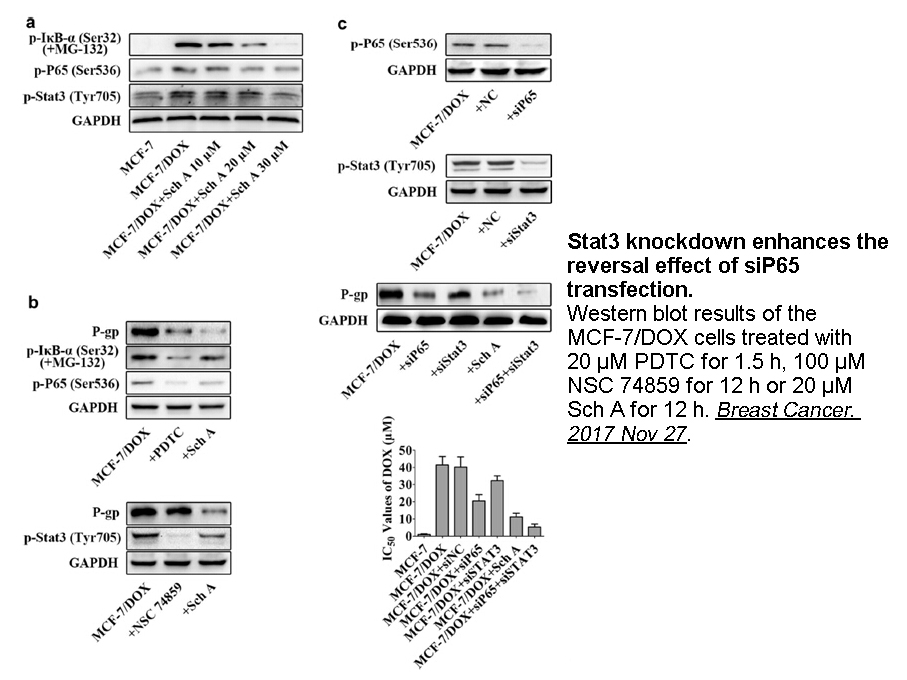
In summary, our present work establishes the ability of the mammalian intestine to function as an environmental sensor able to retain an active metabolic memory for early postnatal nutritional conditions. Epigenetic silencing of the expression of the main cholesterol AGN 194310 transporter Npc1l1 c
-
In S cerevisiae Mek a paralog of the checkpoint kinase
2020-02-19
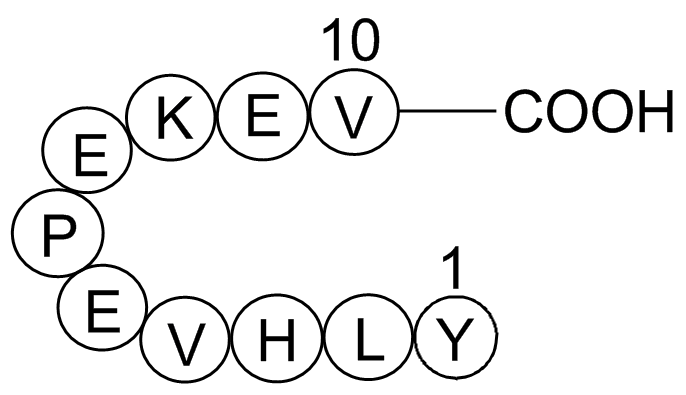
In S. cerevisiae, Mek1, a paralog of the checkpoint kinase Chk2, mediates cell-cycle arrest in response to meiotic defects (Bailis and Roeder, 2000, Xu et al., 1997). Mek1 is associated with meiotic chromosome axes, where its activation requires interactions with two other axis proteins, Hop1 and Re
-
MAPKs are a family of phosphorylating enzymes that
2020-02-19
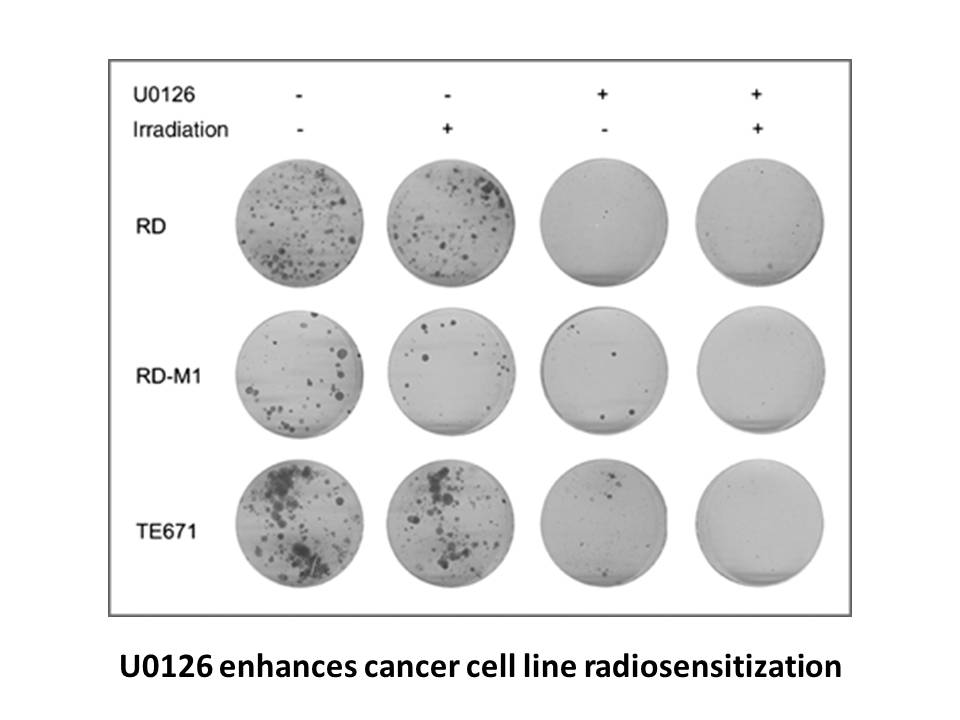
MAPKs are a family of phosphorylating enzymes that orchestrate various cellular response in proliferation, apoptosis, inflammation, stress response, and energy metabolism [11]. There are at least four major members including extracellular signal-regulated kinase 1 and 2 (ERK1/2), p38 mitogen-activat
-
There are five phosphorylated serines in casein
2020-02-19

There are five phosphorylated serines in β-casein. However, only phosphorylated Ser35 was identified in the samples hydrolysed with GE at 37 and 50 °C, i.e., f32-42 and f32-44 of β-casein. The identification indicates that phosphorylated peptides were less detectable from the non-phosphorylated pept
-
Introduction Cholesterol plays a pivotal role as a
2020-02-19
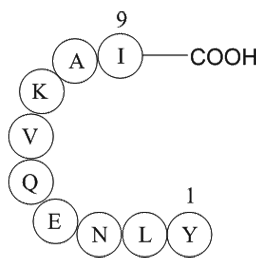
Introduction Cholesterol plays a pivotal role as a constituent of biological membranes and as a precursor for vitamins, hormones and bile acids. Accordingly, its production, distribution, and elimination must be tightly regulated at the cellular and organismal level. Accordingly, dysregulated chole
-
A recent study revealed that in human glioma cells
2020-02-19
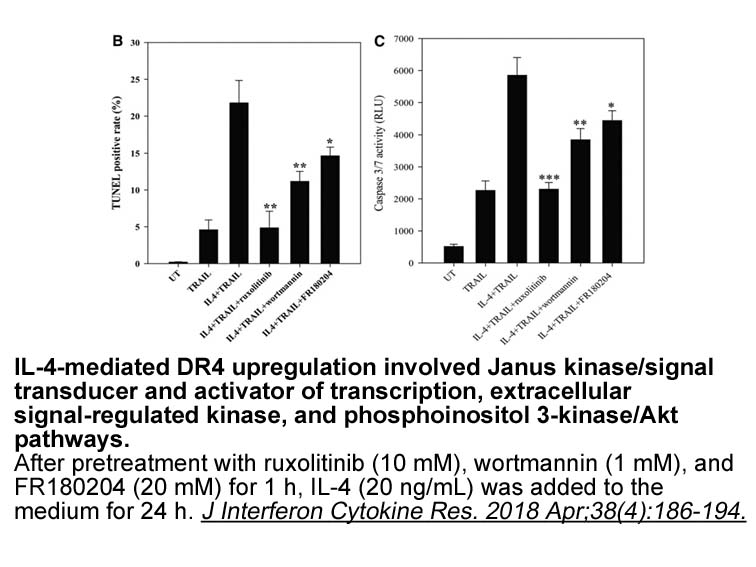
A recent study revealed that in human glioma cells, DNA-PKcs interacted with the regulatory γ subunit of AMPK and positively regulated AMPK phosphorylation and activation under glucose-deprived conditions. This suggested that DNA-PK is an important regulator of AMPK activation in response to energy
-
Ifosfamide mg It should also be noted that remarkable indivi
2020-02-19
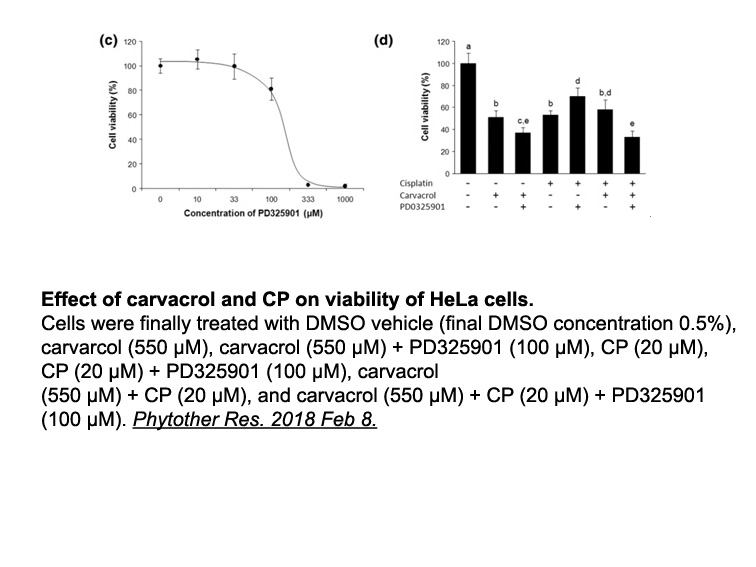
It should also be noted that remarkable individual differences in extinguished fear bradycardia (i.e., CS+E vs. CS−E) during initial Day 2 recall test were observed, particularly within Met carriers. Exploratory analyses revealed that these individual differences were partly driven by the level of r
-
AZ20 mg br CDK Regulators as Coactivators of NF B and STAT
2020-02-18
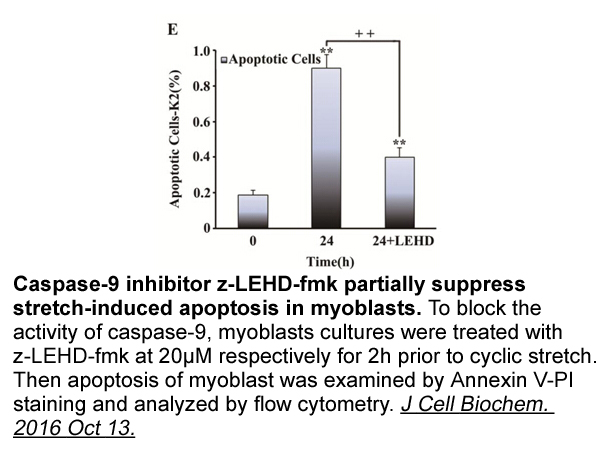
CDK Regulators as Coactivators of NF-κB and STAT CDK regulating proteins also have the ability to control the inflammatory response. The p21CIP1 protein binds to and inhibits the activity of cyclin–CDK4/6 and cyclin–CDK1/2 complexes. Consistent with its ability to inhibit CDK activity, deletion o
-
Does hydroxylation of proline have
2020-02-18
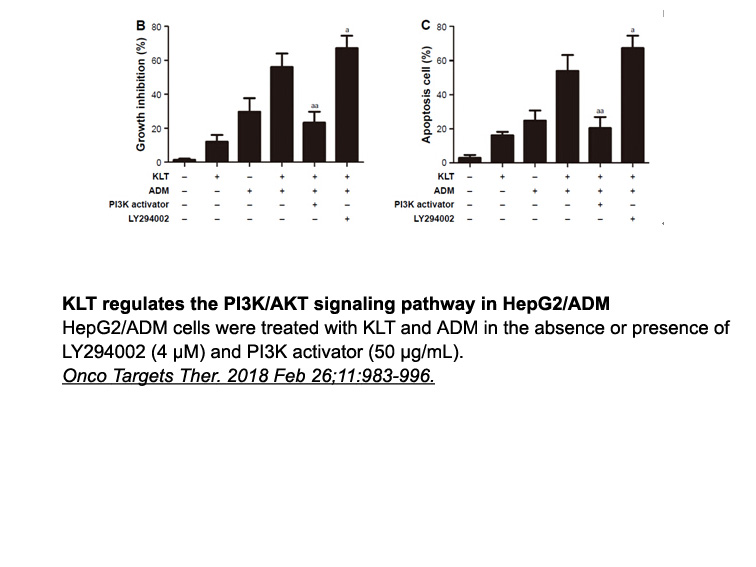
Does hydroxylation of proline have a specific role in the structure and function of the conotoxins? Several studies in the literature provide insights into the role of proline hydroxylation in the Conus peptides. The consequences of proline hydroxylation on oxidative folding and biological activity
-
br Introduction Prostaglandin E PGE signals through separate
2020-02-18
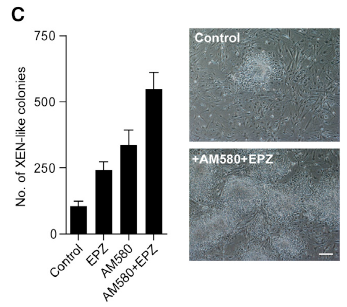
Introduction Prostaglandin E2 (PGE2) signals through 4 separate G-protein coupled receptor sub-types (EP1, EP2, EP3 and EP4) to elicit a variety of physiological and pathophysiologic effects. EP2 and EP4 increase cAMP levels in the cell via adenylate cyclase activation, whereas EP3 inhibits cAMP
-
In rodents Wang et al Wang and
2020-02-18
In rodents (Wang et al., 2003, Wang and Tsirka, 2005b, Zhu et al., 2012) and humans (Wang et al., 2011), the major forms of cell death after ICH are necrosis and apoptosis. In the perihematomal region of rodents, the number of necrotic and apoptotic cells peaks at 72h post-ICH (Matsushita et al., 20
16661 records 926/1111 page Previous Next First page 上5页 926927928929930 下5页 Last page